Key Takeaways
- The Sugar Trap: Dehydration and diet changes create "sweet" urine, a perfect food source for bacteria.
- Wipes Fail: Chemical preservatives in wipes can disrupt vaginal pH, weakening your natural defenses.
- Mechanical Solution: Pressurized water flushes bacteria away; wiping simply smears it.
Note: This article is for educational purposes on hygiene mechanics and does not replace medical advice.
If you are Googling "can wet wipes cause a UTI" while sitting in a campervan or a tent, you are asking the right question. And the answer is more complex than just "being dirty."
For years, the outdoor industry has sold us a lie: that a thin piece of paper or a chemically saturated wipe is sufficient for hygiene. But when we spoke to medical professionals to understand why travelers suffer from recurrent infections, the feedback was startling. The issue isn't just the bacteria; it's the environment we create for them.
We had the opportunity to speak with Dr. Nahid Hashem, an Emergency Medical Officer at the United Nations, to deconstruct the mechanics of a Urinary Tract Infection (UTI). What we learned changed how we view hygiene forever.
Do Wet Wipes Cause UTIs? The "Germ Home" Theory
Dr. Hashem explains that a UTI is simply germs building a home for their extended family in your urinary tract. But bacteria like E. coli are simple organisms. To survive and multiply, they need two specific things:
- Nutrients (Organic Residue): Microscopic fecal matter and sweat provide the perfect fuel for growth.
- A Favorable Climate: The right pH and temperature to thrive.
In a normal home environment, your body regulates this. But on the road, everything changes.
The Residue Trap
Travel alters our physiology. We drink more caffeine, dehydrate on long hikes, and hold our urine longer than we should. Dr. Hashem explains that bacteria act purely on survival instincts: they seek a favorable environment to multiply.
When you are dehydrated, your urine becomes concentrated. But the bigger danger comes from the outside. E. coli bacteria live naturally in the rectum. When you wipe with dry paper, you aren't just failing to clean; you are mechanically building a "nutrient bridge" of microscopic fecal residue from where bacteria live, to where they cause infection (the urethra).
Without water to break this bridge, you leave them exactly where they want to be: near the entrance of a new home.
Why Wet Wipes Fail: pH, Chemicals, and UTIs
This is where the "wet wipe" solution backfires. The vagina has a specific pH designed naturally to kill bacteria. Dr. Hashem warns that cosmetic products and wipes often "disrupt natural pH... which in return helps the bacteria to grow, as their living condition becomes optimal."
By using a wipe saturated in preservatives and fragrances, you might feel fresh, but you are often destroying your body's natural defense wall, rolling out the red carpet for infection.
Outdoor Hygiene Engineering: From Wipes to Pressurized Water
Once we understood the biology, that we needed to remove the "food" (residue) without altering the "climate" (pH), the solution became obvious: Pure Water.
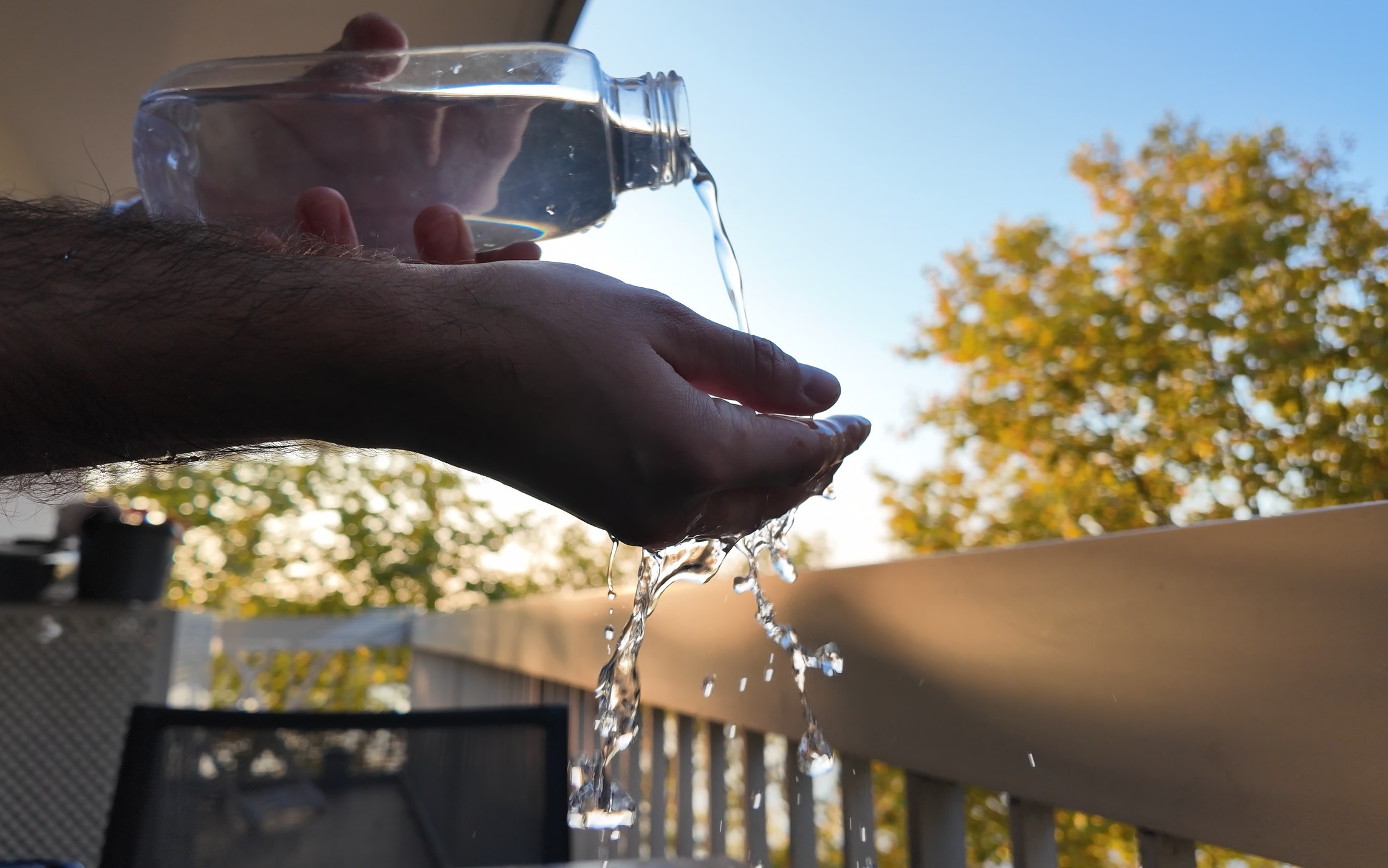
Water is pH neutral. It physically flushes away the bacteria without irritation. But here lies the engineering challenge for the nomad: How do you wash effectively with limited water?
Pouring from a water bottle is messy and ineffective (low pressure). Wet towels are heavy and hard to dry. Just like in my previous experience optimizing mechanical maintenance, I realized we needed a tool that replaced volume with precision.
See how Portalo replicates a home bidet with less than 300ml of water.
Designing for the "Surgical Rinse"
We spent months prototyping a device that could replicate the hygiene of a home bidet, but with strict constraints for hikers and vanlifers:
- High Pressure: To physically dislodge bacteria and residue, not just rinse it.
- Water Efficiency: It had to do the job with less than 200ml (about 6oz) of water.
- Zero Chemicals: It had to rely on mechanics, not chemistry.
This is how Portalo was engineered as a hygiene instrument to break the cycle of infection.
UTI Prevention Protocol for Campers & Vanlifers
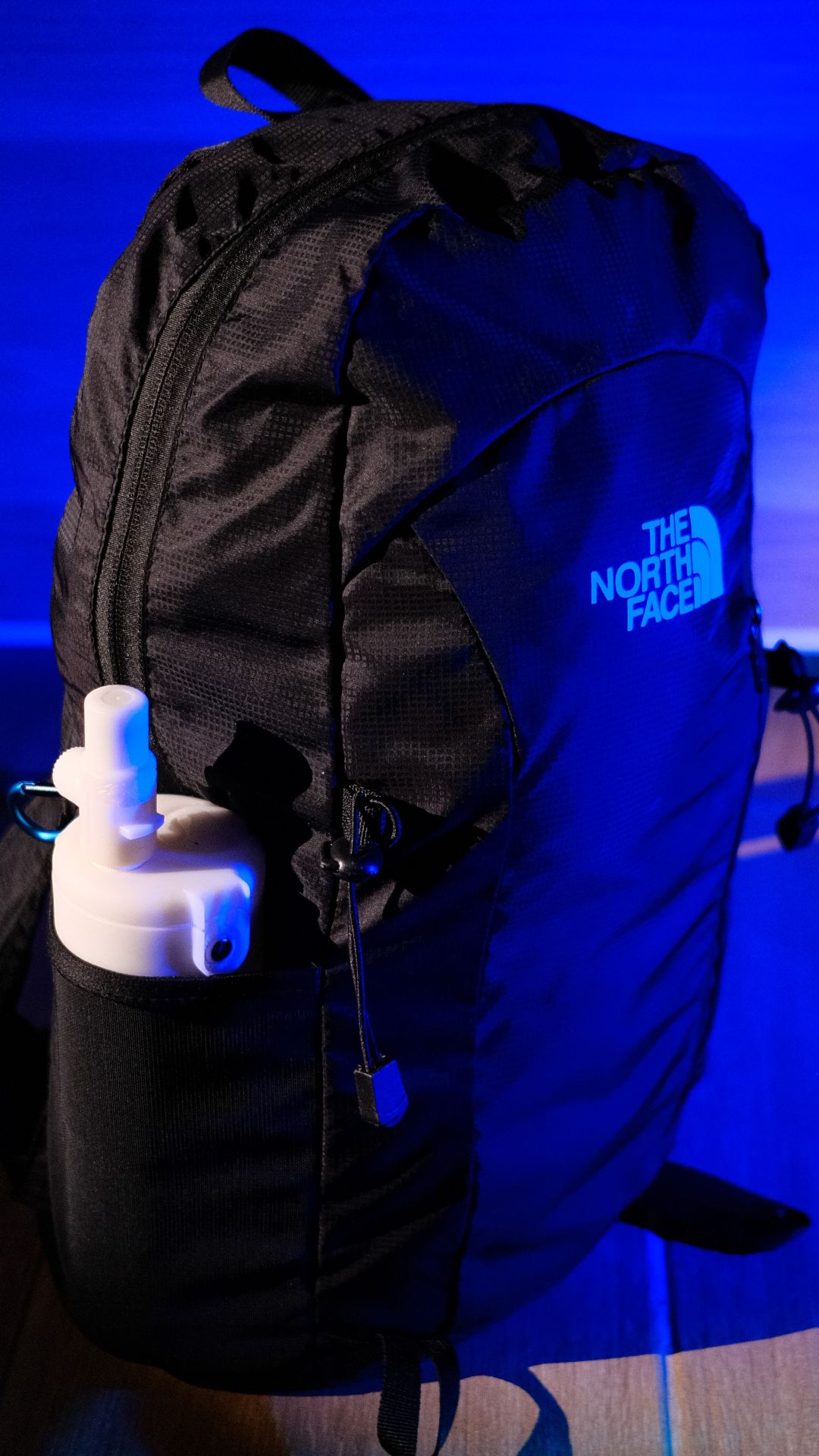
Based on Dr. Hashem's insights on bacterial migration, here is the protocol we recommend for travelers using Portalo to minimize hygiene-related risk:
- The Setup: Fill your Portalo with fresh water. No soap is needed internally! Remember, we want to preserve the pH.
- The Flush: Using the pressurized nozzle, spray from front to back. This is critical. You are mechanically flushing the bacterial load and organic residue away from the urethra.
- The Pat Dry: Use a small amount of paper or a reusable cloth solely to dry the area. Since you are already clean, you aren't smearing anything.
This method removes the food source, respects the environment (pH), and eliminates the friction of wiping.
Ready to apply this protocol on your next trip? Discover the Portalo system.
Medical FAQ: UTIs, Wet Wipes and Outdoor Hygiene
Q: Can I use wet wipes if they are "pH Balanced"?
A: Even "balanced" wipes contain preservatives to prevent mold in the package. These preservatives can still irritate sensitive mucous membranes. Water remains the only truly neutral agent.
Q: Why does wiping back-to-front cause UTIs?
A: It moves E. coli from their natural reservoir (the rectum) to a sterile environment (the urethra). Paper smears; pressurized water detaches and flushes.
Q: Does temperature matter?
A: Dr. Hashem notes that trapped heat (like vaginal steaming or tight synthetic clothes) can facilitate bacterial growth. A cool water rinse can help regulate the temperature of the area after a long hike.
About the Expert
Dr. Nahid Hashem is an Emergency Medical Officer at the United Nations. She specializes in emergency medicine and has extensive experience treating preventable infections in field conditions.
About the Author
Karim is the founder of Portalo and an engineer (ESIEE Paris '25). Winner of the "Cocreate Alibaba 2025" award in London, he applies precision engineering principles to solve outdoor hygiene challenges.