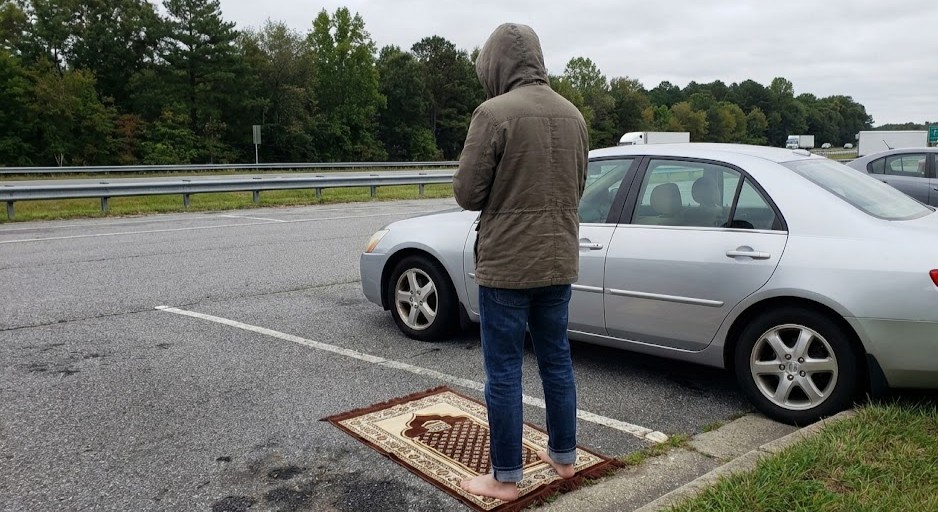
Key Takeaways
- Real Travel Problem: Making wudhu on the go in airports, service stations or public restrooms is often uncomfortable, messy and lacking privacy.
- Limits of Basic Bottles: A simple gravity-fed or squeeze travel wudhu bottle works, but often wastes water and gives poor control over where the water goes.
- Pressure as a Solution: A portable, pressure-based wudu bottle helps you direct a focused stream of water, using less volume while washing properly.
Religious note: This guide explains the practical mechanics of wudhu while travelling. It does not replace religious guidance or rulings from qualified scholars.
Performing religious ablutions requires dignity and clean water. Finding a proper facility while traveling is often a challenge. A dedicated portable wudu bottle or travel wudhu bottle is a necessity for many Muslims on the move, but not all solutions are created equal. The goal is to maintain ritual purity without compromise, wherever you are.
This is not just about carrying water. It is about having the right tool to perform a sacred act with precision and respect. It requires control, efficiency, and reliable hygiene.
What is Wudhu? The Ritual of Ablution
Wudhu is the Islamic procedure for washing parts of the body. It is a ritual purification and an essential preparation for prayer (salah) and handling the Qur'an. The practice is both a physical and spiritual cleansing. It follows a specific sequence, washing the hands, mouth, nostrils, face, arms, head, and feet.
The principles of wudhu emphasize cleanliness without being wasteful. Islamic tradition encourages the conservation of water, even when performing a sacred act. This ancient wisdom is more relevant than ever in a world of limited resources. A proper wudhu tool should honor this principle of using only what is needed.
The Modern Challenge: How to Make Wudhu While Travelling
Finding a suitable place for wudhu in public spaces is difficult. Airport bathrooms, service station sinks, or public restrooms are often unclean. They are not designed for the specific movements of wudhu. This can lead to several problems:
- Lack of hygiene in public sinks, which are rarely sanitary enough for a ritual purification.
- Awkwardness and mess from trying to wash feet in a small, public sink.
- Water waste from taps that lack proper flow control.
- No privacy for performing a personal ritual in a busy public space.
These obstacles force many to compromise. People might delay prayers or perform the ritual in a rushed, uncomfortable way. The need for a self-contained, efficient portable wudhu solution is clear.
Specialized Portable Wudhu Bottles: A Step Forward
The market has responded with specialised portable wudhu bottles. Some are modular, with angled necks or different caps designed specifically for ablution. The concept focuses on providing a container adapted for the motions of wudhu, which is a clear improvement over using a random plastic bottle or a cup.
These products are an important step forward compared to generic bottles. They acknowledge that a simple container is not enough. However, most of them still solve only part of the problem. Pouring water is not the same as washing effectively. The real limitation of a simple gravity-fed bottle, modular or not, is its weak flow and lack of precise control.
Why Pressure Helps You Perform Wudhu Properly on the Go
Gravity-fed water flow is weak and inefficient. It runs off the skin without truly rinsing. To compensate, you often use more water than necessary. A pressurised stream of water changes the dynamic completely. It is focused, more powerful, and rinses effectively with minimal volume.
This is where engineering provides a better answer. While a dedicated bottle is good, a high-performance tool is better. Portalo was originally designed for extreme autonomy in the outdoors, and its core pressure technology is perfectly suited for wudhu on the go. We focused on pressure because it solves the core problems of nomadic hygiene and travel ablution.
With a small portable wudu bottle that uses pressure, you can perform multiple, thorough ablutions with around 350 ml of water, because each jet is directed exactly where it is needed. Discover the high-pressure solution that offers true autonomy.
Precision and Control Without Compromise
Wudhu requires washing specific areas, including hands, face, mouth, nostrils and feet. A standard travel bottle is clumsy. You have to tilt it, squeeze it, and hope the water goes where you want. A pressure-based portable wudhu bottle like Portalo is designed to give you total control.
The nozzle head rotates into different positions. You can aim the spray upwards for cleansing the face or nostrils, or downwards for washing feet, all without tilting the bottle. The trigger is on the nozzle itself, not the main body. You hold a lightweight, precise tool, not a heavy container of water. This allows you to perform the ritual with more grace, control and accuracy.
A Tool for Life, Not Just a Single Use Case
A specialised wudhu bottle serves one purpose. A modern traveller often needs tools that are versatile. A pressure-based portable bottle can serve as:
- Personal Hygiene: Use it for a focused "nomadic shower" on a camping trip.
- Cleaning Gear: Wash sand off your feet, mud from your boots or dirt from your prayer mat.
- First Aid: Clean a wound with a controlled, pressurised stream of water.
- General Use: Wash dishes, clean your bike, or give your pet a quick rinse.
You get a durable, multi-functional device built for reliability. It is a tool that provides freedom, whether you are on a pilgrimage, a vanlife journey, a long-haul flight or a weekend hike.
FAQ: Portable Wudu Bottles and Travel Ablution
How much water is technically needed for wudhu?
Traditional teachings mention about one "mudd" of water, often described as roughly 600–750 ml. In practice, many people use more than this when relying on open taps or basic bottles. A high-pressure system like Portalo allows a complete and careful wudhu with significantly less, around 350 ml, because the water is directed more effectively.
Is a pressure-based bottle suitable for wudhu while travelling?
From a practical perspective, a pressure-based portable wudu bottle helps you control the flow, reduce waste and maintain hygiene in difficult environments. It remains simply a means of delivering clean water to the limbs of wudhu. The religious validity of your ablution depends on intention and following the rulings of your scholars, not on a specific brand or device.
Can I take a portable wudu bottle on a plane?
Yes. The Portalo bottle is completely mechanical and contains no electronics or batteries, similar to a reusable travel bottle. You should carry it empty through security, just like any other bottle. You can then fill it with water in the airport bathroom before your flight and use it for wudhu on the go.
How is a pressure sprayer different from a travel bidet or shattaf?
A travel bidet is typically a simple squeeze bottle. It has limited pressure and water capacity. A manually pumped pressure sprayer like Portalo creates higher pressure for a stronger and more efficient spray, making it suitable for a wider range of cleaning tasks, including full ablution and general travel hygiene.
How do you clean the Portalo device?
The device is fully dismantle-able for easy cleaning. You can wash each component (bottle, pump, hose) with soap and water to ensure it remains hygienic for every use. This is an important advantage over single-piece bottles where bacteria and residue can accumulate over time.
Religious Note
This guide focuses on the practical mechanics of performing wudhu while travelling: access to clean water, control of flow and hygiene. It does not aim to replace religious rulings. For detailed questions about the validity of wudhu, tayammum, or combining prayers, always refer to a trusted local imam or scholar in your madhhab.
About the Product
Portalo is a pressure-based portable hygiene tool designed for travellers, hikers, vanlifers and pilgrims. Its engineering focuses on clean water delivery, flow control and minimal waste, making it a practical option for wudhu and general travel hygiene.
About the Author
Karim is the founder of Portalo and an engineer (ESIEE Paris '25). Winner of the "Cocreate Alibaba 2025" award in London, he applies precision engineering principles to solve everyday challenges of clean water access, outdoor hygiene and worship on the move.